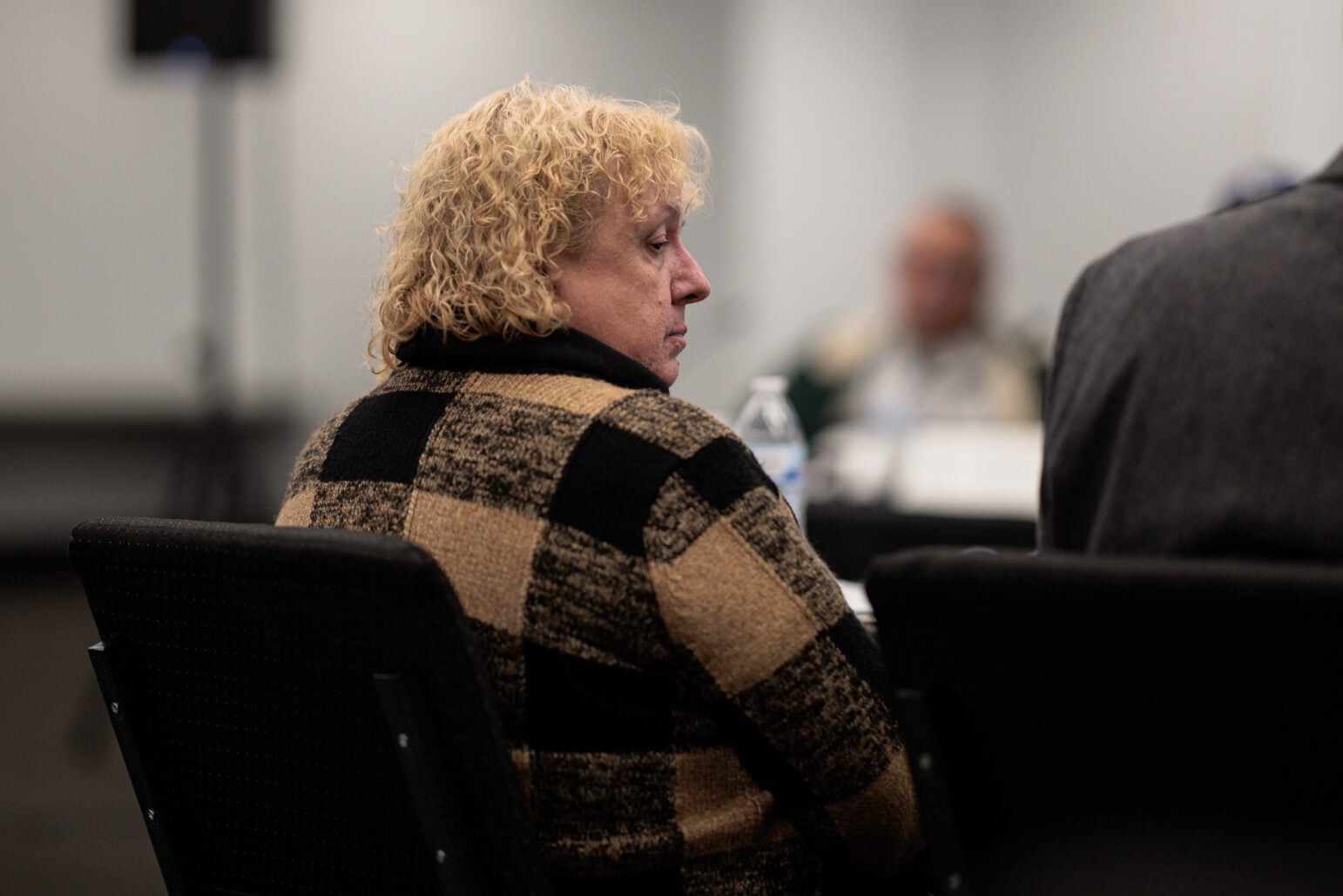
The California State Bar has opened a confidential inquiry into the Vallejo City Attorney’s Office, Open Vallejo has learned, adding a new front in the mounting scrutiny of the office.
For more than a month, a state bar investigator has been contacting potential witnesses regarding a cascade of public allegations against the city attorney’s office, sources with knowledge of the matter told Open Vallejo. The bar also received at least one formal complaint, though the probe began before it was filed. The sources spoke with Open Vallejo on condition of anonymity to discuss the confidential investigation.
The inquiry is in its early stages, the sources told Open Vallejo, adding that for now, it appears to be focused on the city attorney’s office broadly rather than on any individual attorney. No disciplinary charges have been filed against any lawyers for the city, according to publicly available records.
In an email Friday, City Attorney Veronica Nebb told Open Vallejo that her office is unaware of any inquiry or complaint, and that no attorneys in the office have received a notice of investigation.
“If indeed an investigation is in process and we do receive notice, we would respect the State Bar’s process and its confidentiality requirement, cooperate fully, and would not comment publicly about the investigation,” Nebb wrote. “We take our responsibilities to the citizens of Vallejo seriously and remain steadfast in our dedication to integrity, fidelity to the law, and the ethical obligations that guide our service.”
California State Bar spokesperson Rick Coca reiterated the confidential nature of the agency’s investigative process.
“California law precludes the State Bar from commenting on whether it has received any complaint or whether any particular investigation is or will be launched,” Coca wrote in an email Friday.
The state bar inquiry comes as the city conducts its own assessment of misconduct allegations, for which it hired an outside law firm in December.
It is not clear what allegations the state bar is pursuing. But in July, the American Civil Liberties Union of Northern California called for a formal investigation into the illegal destruction of police shooting evidence that a senior city attorney authorized; the city’s alleged failure to turn over officer misconduct files to courts; and allegations that officials ignored racist threats directed at Vallejo’s first Black police chief.
The Vallejo City Council voted on Dec. 9 to hire the Shaw Law Group to determine whether the ACLU’s allegations merit further investigation. The preliminary assessment is expected to be completed within 30 days at an estimated cost of $25,000.
Vallejo has historically sought to withhold the results of internal investigations.
In February 2024, the city refused to release a third-party investigation into the illegal destruction of evidence in six police shootings. All of the shootings involved at least one officer linked to the department’s “Badge of Honor” scandal, revealed by Open Vallejo in 2020, in which officers bent the tips of their star-shaped badges to mark on-duty shootings.
In 2023, Open Vallejo revealed that Assistant City Attorney Katelyn Knight authorized the purge at the request of Det. Sgt. Mathew Mustard, the lead investigator in five of the cases. In court papers, Knight called the purge “inadvertent.” Solano County Superior Court Judge Stephen Gizzi ruled the destruction unlawful but stopped short of referring the matter for criminal prosecution.
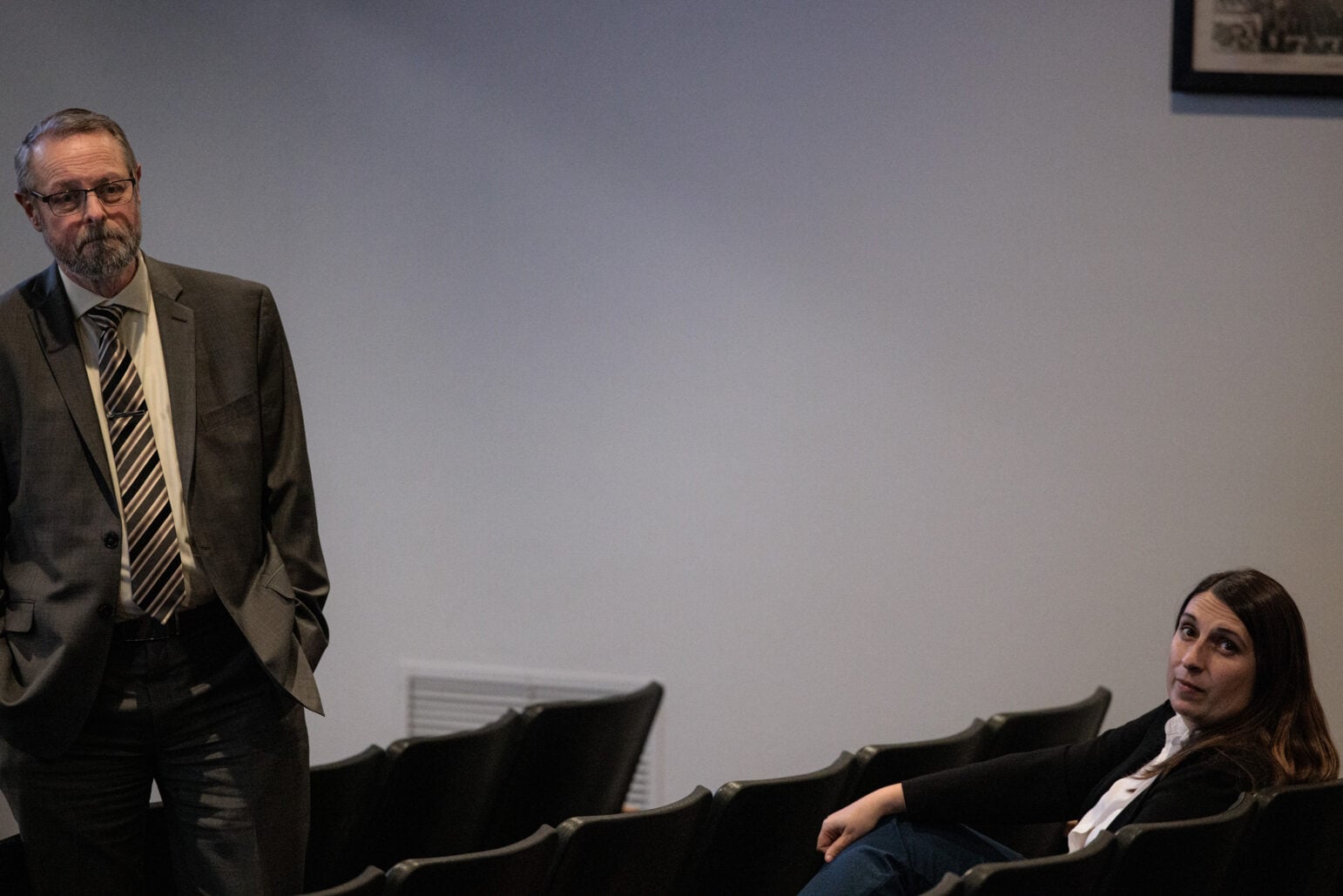
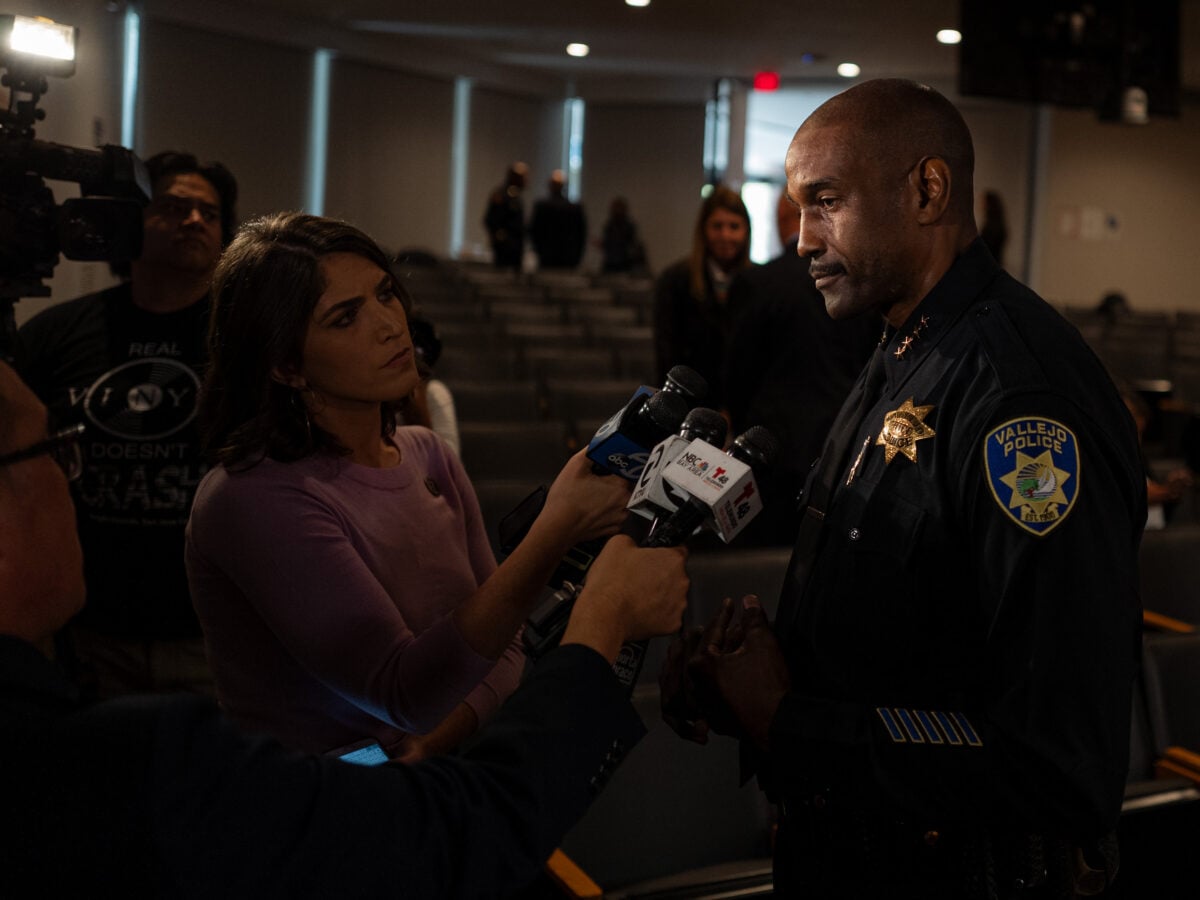
The city attorney’s office is facing additional allegations beyond the ACLU complaint, revealed in recent testimony by former Police Chief Shawny Williams.
In an ongoing federal civil rights lawsuit, a U.S. magistrate judge is weighing whether Williams can be deposed a second time to discuss allegations that city attorneys threatened him. Williams testified in October that Knight threatened him over his deposition and that a separate, unnamed individual in the city attorney’s office also threatened him with retaliation while he was chief. The city argues that Williams misconstrued legal advice and that the communications are subject to the attorney-client privilege.
But under a legal rule known as the crime-fraud exception, the attorney-client privilege does not extend to communications made “in furtherance of a contemplated or ongoing crime or fraud.” On Dec. 18, Magistrate Judge Sean Riordan ordered Williams and Knight to submit sworn declarations detailing their interactions, which Riordan will review in chambers. If the judge finds that the exception applies, Williams will be deposed again to discuss the alleged intimidation.
“Defendants are correct that a client, including a former City employee, may misinterpret legal advice as a threat,” Riordan wrote in his Dec. 18 order. “Knight’s own assertion during the deposition that such a misunderstanding occurred here, however, is the only evidence that the communications at issue did not constitute obstruction.”
An adversarial process
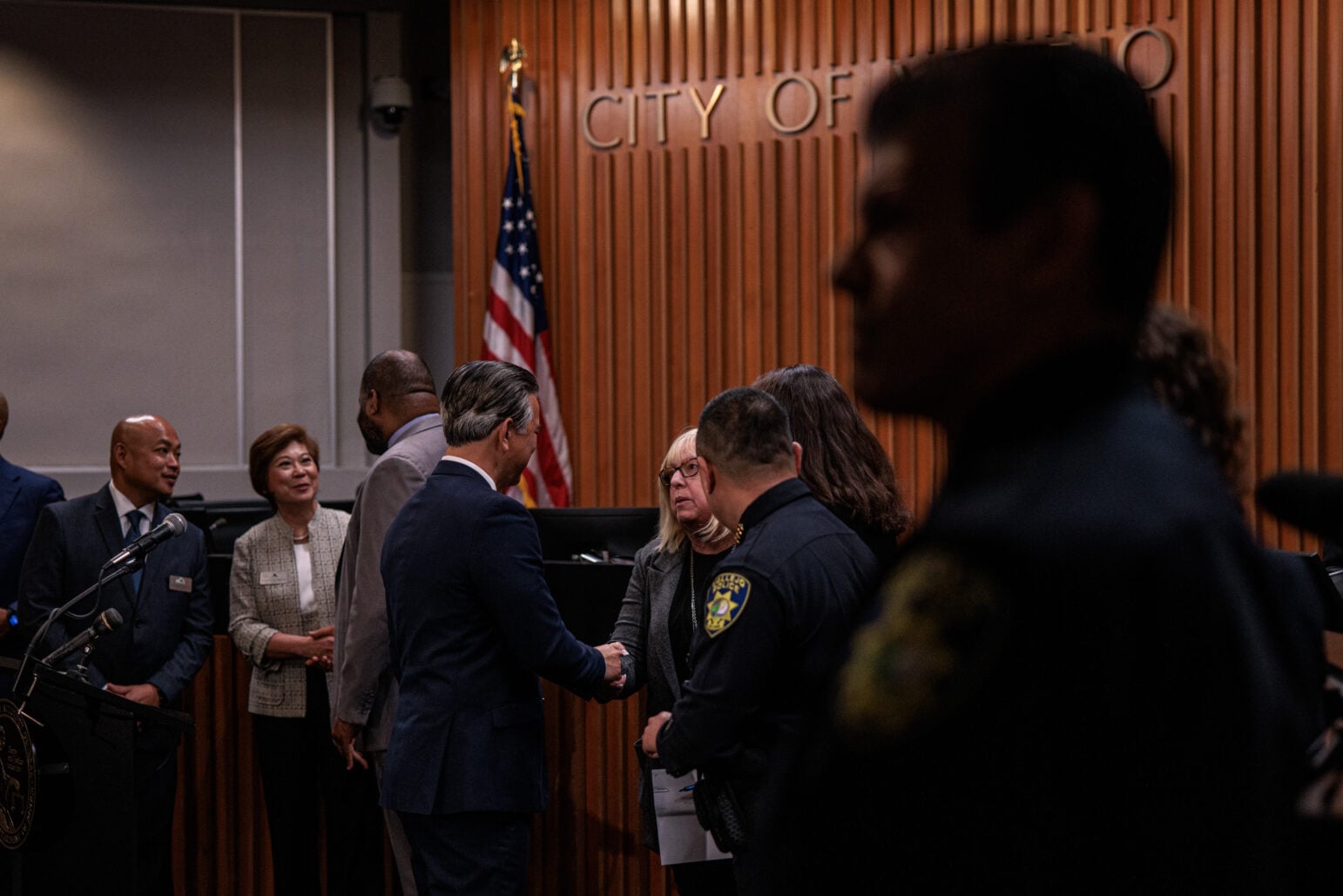
Vallejo has faced scrutiny from state officials before. California Attorney General Rob Bonta sued the city in October 2023 after it failed to implement dozens of previously agreed-upon police reforms. The resulting settlement agreement established an outside monitor to oversee implementation.
The required reforms include establishing a community police oversight body, known as the Police Oversight and Accountability Commission. The city council passed the ordinance creating the commission in December 2022, but a labor dispute with the Vallejo Police Officers’ Association left it functionally dormant until this month. In its July letter, the ACLU alleged that the city attorney’s office was responsible for the multi-year delay, citing a prominent commission member’s resignation and a proposed settlement agreement that would have significantly weakened the commission’s oversight power.
Unlike the city’s collaborative oversight agreement with the California Department of Justice, the state bar takes a prosecutorial approach. Investigators gather evidence of potential wrongdoing and, if warranted, pursue discipline ranging from a private reproval to disbarment. In nearly all cases, the process is confidential until an attorney faces formal charges.
The state bar typically screens complaints before assigning an investigator, a process that can take up to 60 days. State guidelines give the bar six months to complete intake on most complaints, and up to a year for complex matters. If investigators find that misconduct occurred, the attorney may still have an opportunity to settle the matter privately. If state bar prosecutors file formal charges, the case becomes public and goes to the State Bar Court, an independent tribunal unique to California. Following a sustained finding of misconduct, the court will recommend sanctions to the state Supreme Court, which makes the final decision on discipline.
A 2022 California State Auditor report found serious shortcomings in the bar’s discipline process, including cases that were prematurely closed despite evidence of misconduct. Data provided by the state bar shows the agency has improved its case processing times despite three consecutive years of rising caseloads.
From July 1, 2024 to June 30, 2025, the Office of Chief Trial Counsel opened more than 21,000 cases, a 17% increase from the previous fiscal year, Coca, the state bar spokesperson, told Open Vallejo. Despite the increased caseload, the average case processing time remained at 131 days, while the age of pending cases decreased by 45 days over the previous fiscal year, Coca wrote.